
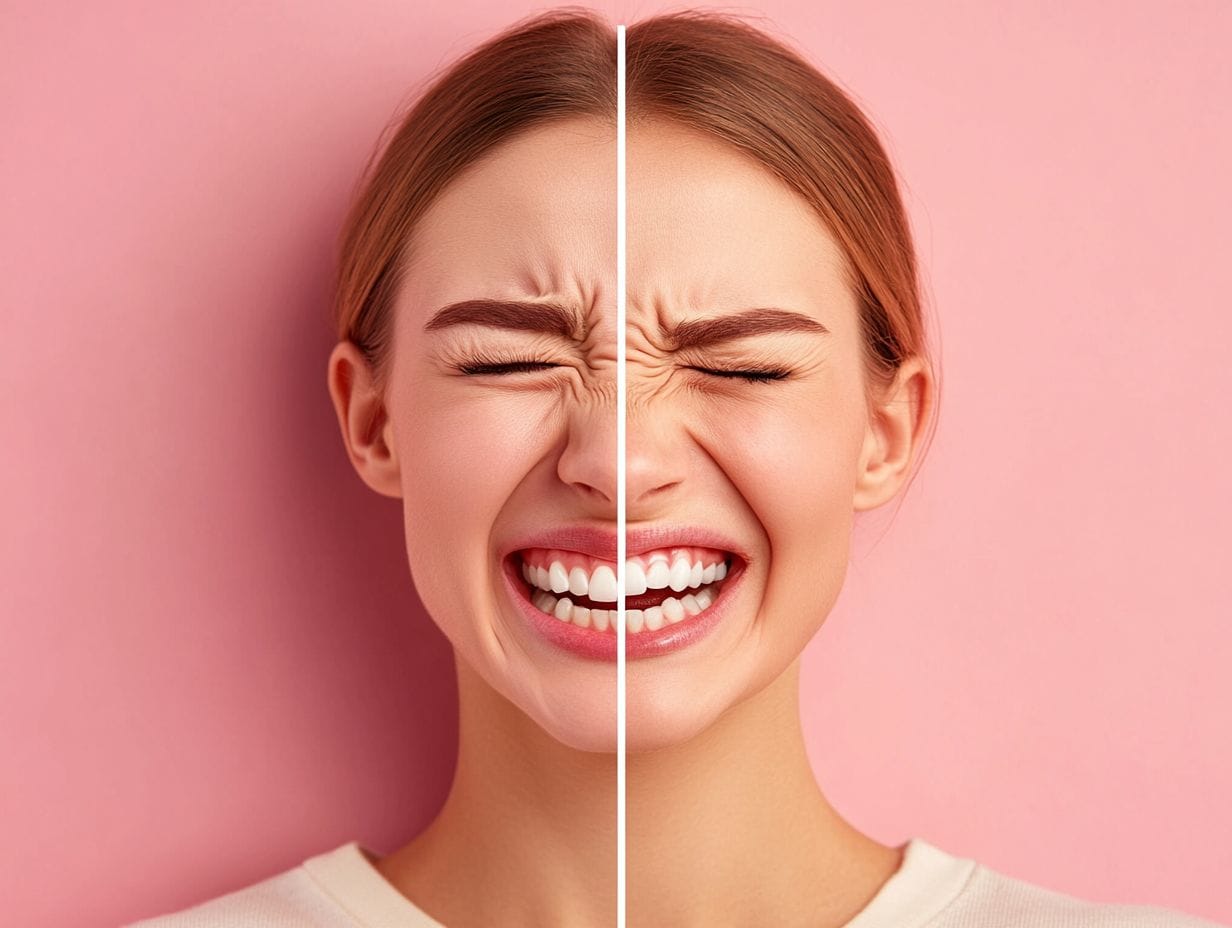
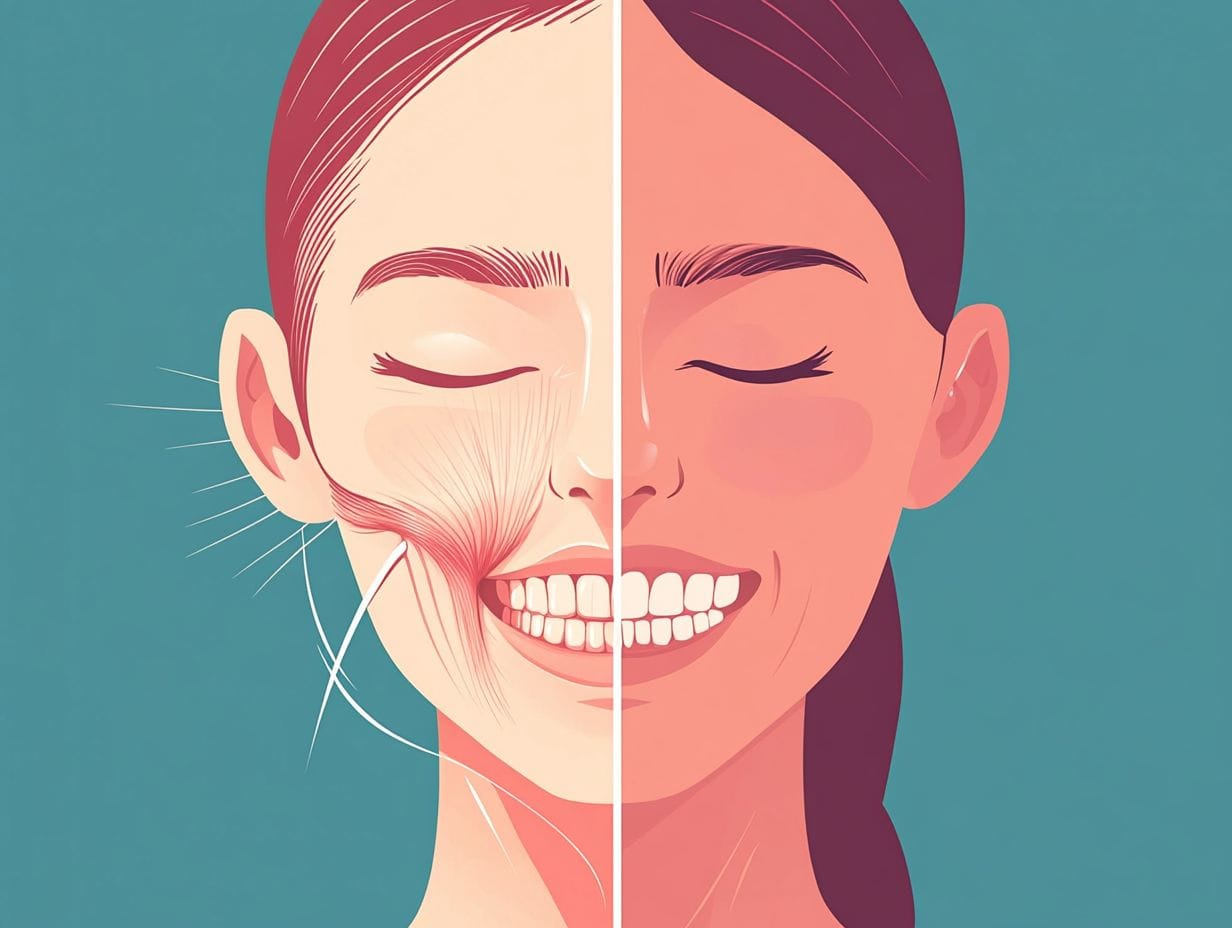
 Botox has emerged as a promising treatment option for individuals suffering from bruxism, effectively targeting the masseter muscle responsible for teeth grinding and jaw clenching. By inducing localised muscle relaxation through Botox injections, patients can experience substantial relief from the chronic tension and discomfort associated with bruxism, including headaches and jaw pain. This innovative approach not only enhances the quality of life for many patients but also aids in preventing long-term dental damage that can result from persistent teeth grinding. Numerous patients report a noticeable reduction in symptoms within days of the injections.As the treatment progresses, individuals often share transformative experiences in their daily lives, emphasizing how diminished muscle activity leads to less frequent and intense episodes of teeth grinding. This alleviation contributes not only to physical relief but also to improved emotional well-being, as the burden of ongoing discomfort is lifted. Patients frequently observe a significant decrease in associated symptoms, such as insomnia or anxiety, which are linked to bruxism.Dentists and medical professionals recommend this approach with confidence, supported by studies indicating positive outcomes in effectively managing bruxism, ultimately benefiting both dental and overall health.
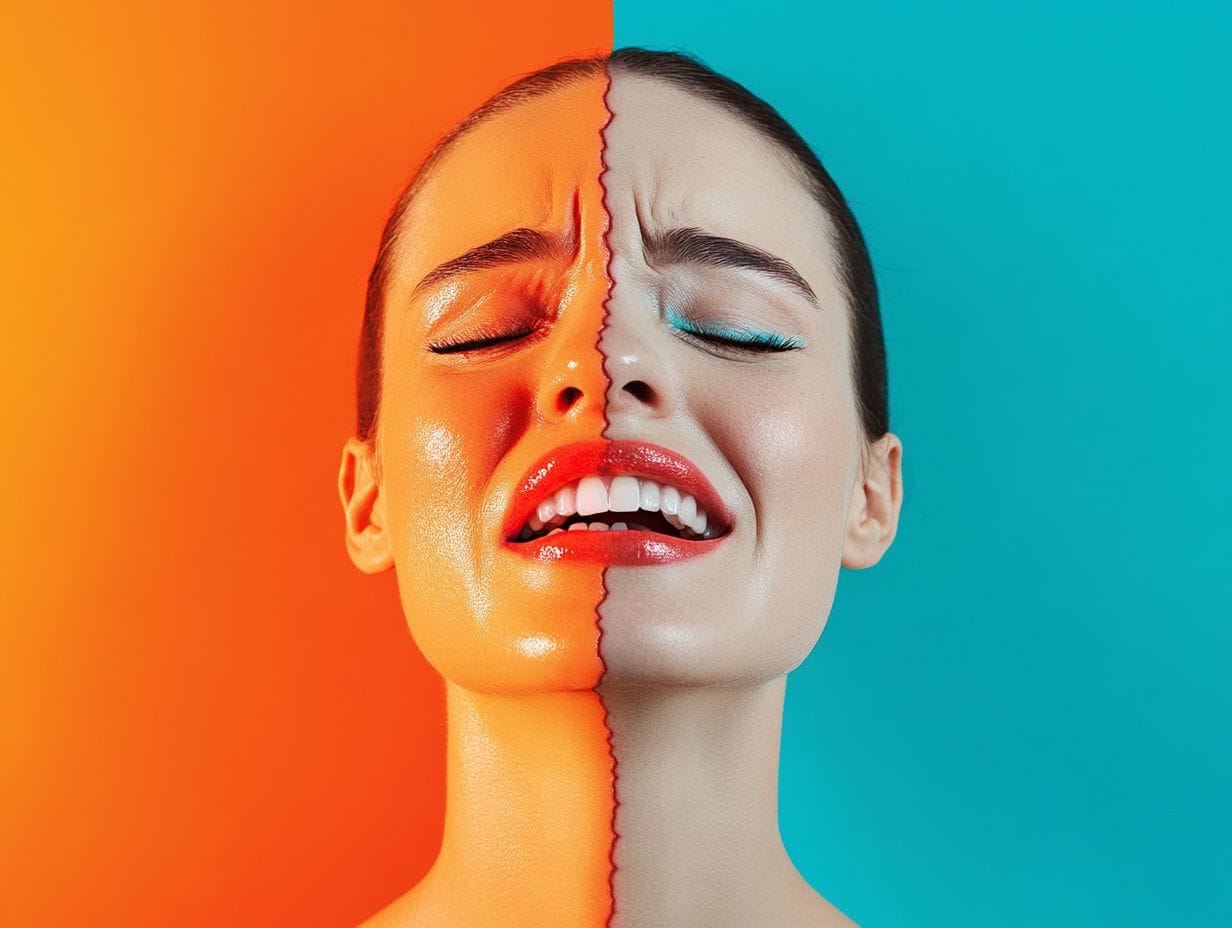
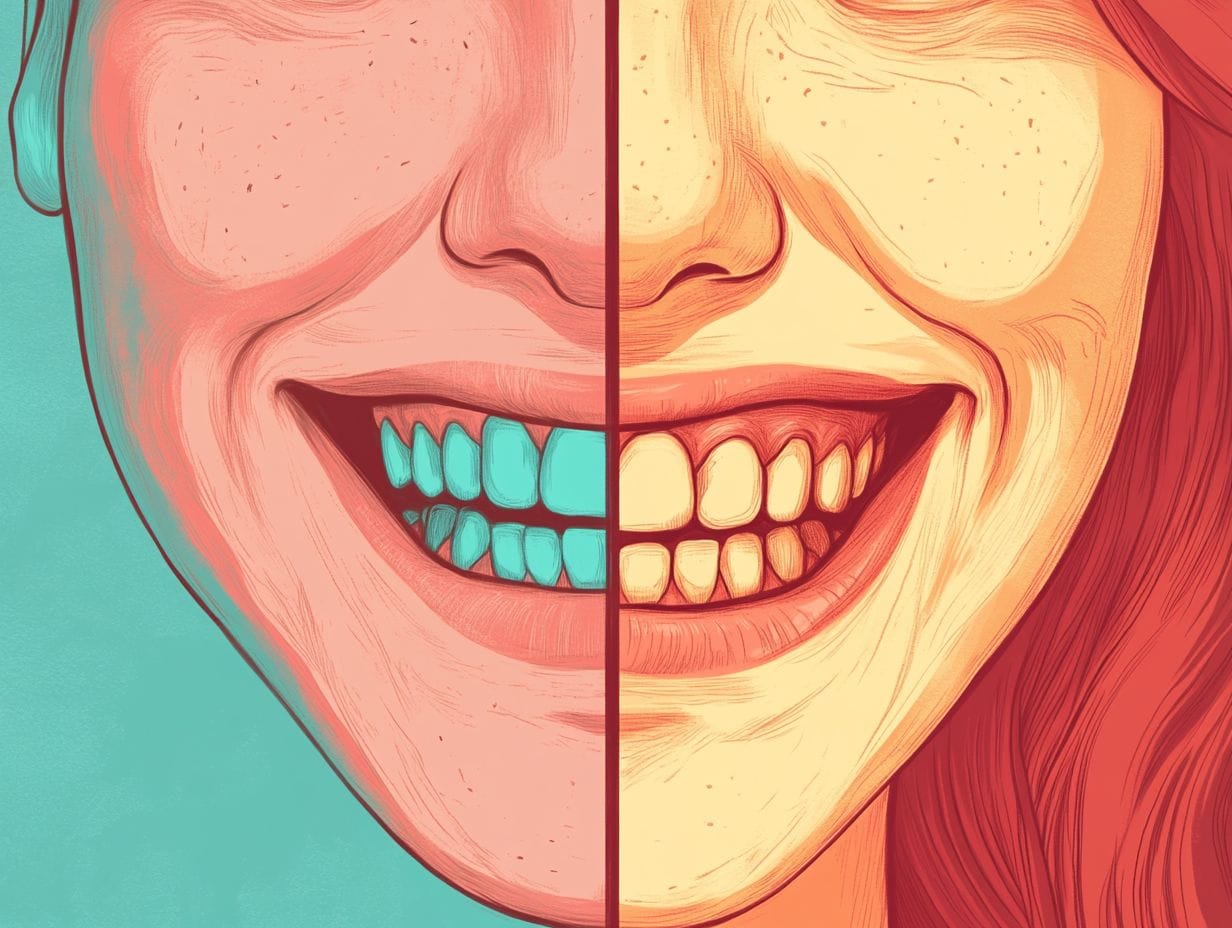 The targeted muscles and injection sites for Botox vary based on the treatment's objective, whether it is to alleviate jaw pain or enhance the aesthetics of the jaw. For pain relief, the primary focus is on the masseter muscle, with injections administered at specific sites to maximise muscle relaxation and relieve tension and discomfort.In contrast, aesthetic applications may involve additional injection points to sculpt the jawline and improve facial symmetry, highlighting the versatility of Botox in both therapeutic and cosmetic contexts.When addressing pain relief, practitioners typically concentrate on the masseter and temporalis muscles, delivering injections at strategic locations to effectively mitigate bruxism and associated discomfort. Conversely, when the goal is aesthetic enhancement, the injector may also target the pre-jowl areas and reduce the appearance of submental fullness, contributing to a more defined jawline.This dual approach not only facilitates pain reduction but also rejuvenates the facial profile, demonstrating the adaptability of Botox treatments to accommodate diverse needs and preferences.
Bruxism, commonly characterised by teeth grinding and jaw clenching, can lead to discomfort and long-term dental issues if left untreated. This condition has various causes and symptoms, and innovative treatments like Botox can provide relief. We will guide you through choosing the right treatment provider, share the Botox process, and highlight success stories from patients […]